What to Actually Check Before Buying Ankle Weights
Most ankle weight shopping advice stops at picking a weight amount, but the actual difference between a comfortable, safe pair and an irritating one lives in details that never make it onto the product listing headline. Here is what to actually check, why weight distribution matters more than total weight, and the returns and fit issues that come up most.
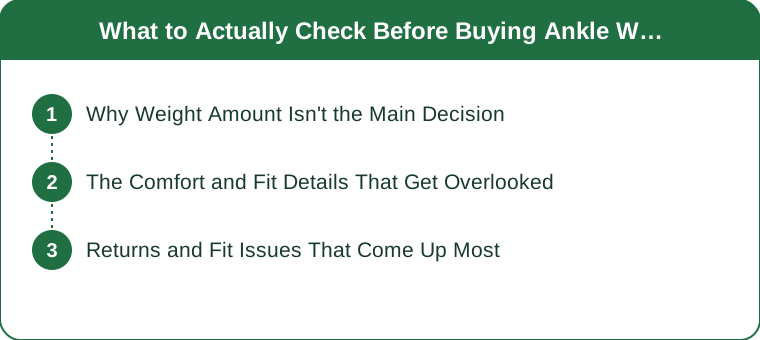
Why Weight Amount Isn’t the Main Decision
The bigger factors: the the-strap-material-touches-skin-longer-than-expected (the a scratchy or non-breathable strap causing more real discomfort over a session than the actual weight does — the material-quality-outlasts-the-weight-choice-in-impact), the the-closure-type-affects-safety (the a velcro closure that loosens mid-set creating a real tripping or slipping risk during movement, unlike a secure buckle system — the closure-security-is-a-safety-feature-not-a-preference), the the-weight-distribution-inside-the-cuff (the evenly distributed weight inside the cuff moving more naturally than weight concentrated in one pocket, which can shift and create an odd gait — the even-distribution-beats-total-weight-for-comfort), the the-sizing-range-matters-for-ankle-shape (the a cuff designed for one ankle circumference range fitting poorly on both narrower and wider ankles outside that band — the sizing-range-is-a-real-spec-not-marketing), the the-visible-stitching-quality-predicts-durability (the loose or uneven stitching around the weight pockets being an early warning sign of a cuff that won’t hold up — the stitching-quality-is-a-visible-durability-signal), and the reframe (the buying decision as strap material, closure security and weight distribution first — total weight amount is actually the easiest part to get right).
The Comfort and Fit Details That Get Overlooked
What actually matters day to day: the the-strap-length-versus-ankle-circumference (the too much excess strap flapping loosely during movement, a common complaint on adjustable straps sized for a wider range than needed — the excess-strap-length-is-an-annoyance-not-just-a-look), the the-breathability-for-longer-sessions (the a non-breathable material becoming genuinely uncomfortable during a full walking or workout session versus a short warmup use — the session-length-changes-what-material-matters), the the-noise-during-movement (the weight pockets that shift and click against each other during motion, distracting and sometimes a sign of loose internal weight placement — the movement-noise-is-a-quality-tell), the the-washability (the a removable or wipeable cover mattering more than expected once sweat becomes a regular factor — the hygiene-maintenance-is-easy-to-forget-when-shopping), the the-color-and-bulk-under-clothing (the a bulkier cuff being harder to wear discreetly under looser pants for anyone using them during a walk or errands, per ankle-weights-for-desk-workers-guide logic — the bulk-affects-real-world-usability-not-just-looks), and the frame (the comfort checklist as breathable material, minimal shifting noise, and a fit that matches actual ankle circumference — small details with an outsized effect on whether the weights actually get used).
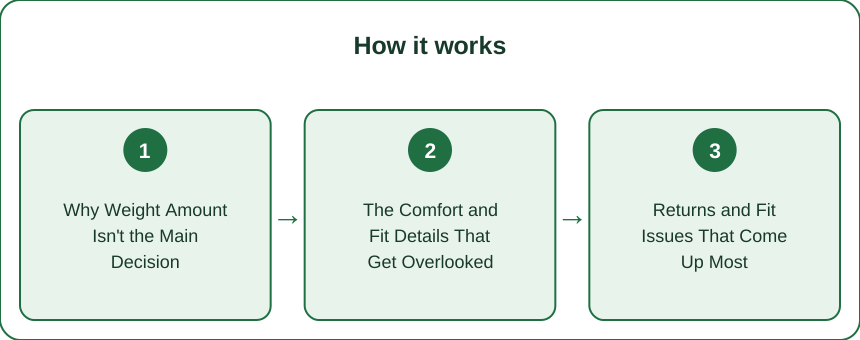
Returns and Fit Issues That Come Up Most
What to watch for: the sizing-runs-inconsistent-between-brands (the same labeled size fitting differently across brands, similar to the general activewear-sizing-inconsistent-across-brands-guide problem — the same-sizing-inconsistency-applies-to-accessories-too), the the-weight-actually-differs-from-label (the some budget cuffs measuring noticeably off from the labeled weight, worth a quick kitchen scale check on arrival — the verify-the-actual-weight-dont-assume-the-label), the the-return-window-for-used-fitness-gear (the many retailers restricting returns on any product that shows signs of wear or sweat, meaning the first use is effectively the final test — the first-wear-is-often-the-only-return-chance), the the-buy-adjustable-if-unsure-of-progression (the an adjustable-weight cuff avoiding a second purchase later if the starting weight turns out too light or heavy, connecting to ankle-weights-safety-and-when-to-use-guide progression logic — the adjustable-cuffs-hedge-against-guessing-wrong), the the-check-for-a-satisfaction-guarantee-not-just-a-return-window (the some fitness brands offering a trial period specifically for comfort rather than just defects — the a-real-trial-period-beats-a-standard-return-policy), and the frame (the smart purchase as verifying actual weight, buying adjustable if uncertain, and using the first wear carefully since it’s often the only real return opportunity).
Choosing ankle weights well has less to do with picking the right weight amount and more to do with strap material, closure security, and how evenly the weight is distributed inside the cuff — details that determine whether the pair actually gets used or ends up in a drawer after one uncomfortable session. Checking for breathable material, minimal shifting noise, and a closure that won’t loosen mid-movement solves most comfort complaints before they start. Since many retailers won’t accept a return once fitness gear shows any wear, verifying the actual weight against the label and choosing an adjustable cuff if the right starting weight is uncertain are the two smartest moves before checkout.
Keep Reading
This article is for general informational and styling purposes only. Fit, sizing, and product availability may vary.